PHONE NUMBER
+389 (0) 2 2532 000
HELLENiQ ENERGY has commissioned its first battery energy storage facility in Thessaloniki
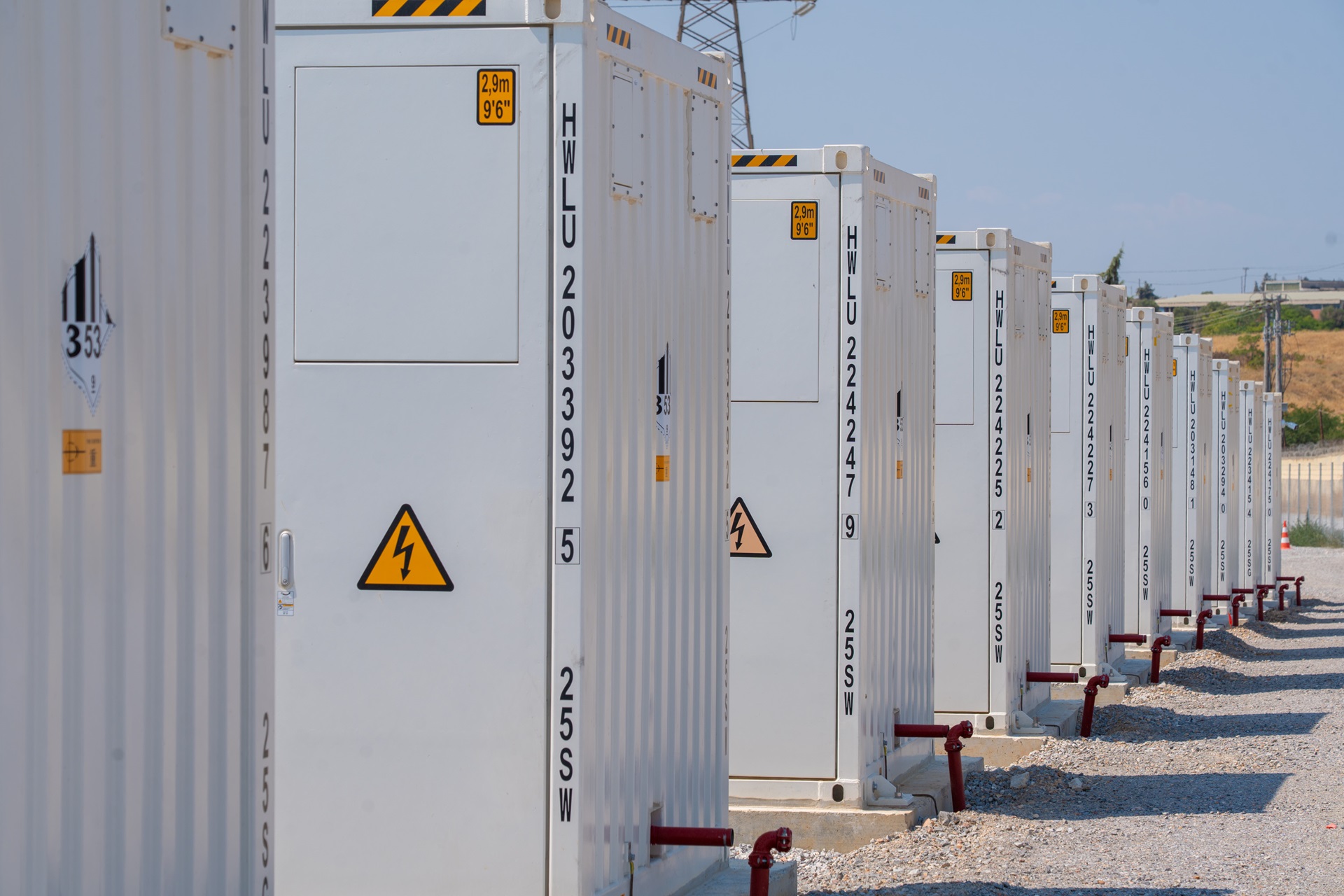
One of the largest battery energy storage systems in Greece and Southeast Europe has been commissioned by HELLENiQ ENERGY at the Group's industrial complex in Thessaloniki. With an installed capacity of 100 MW and a storage capacity of 200 MWh, the project—valued at approximately €50 million, represents a significant step in the development of energy storage capabilities in the region.
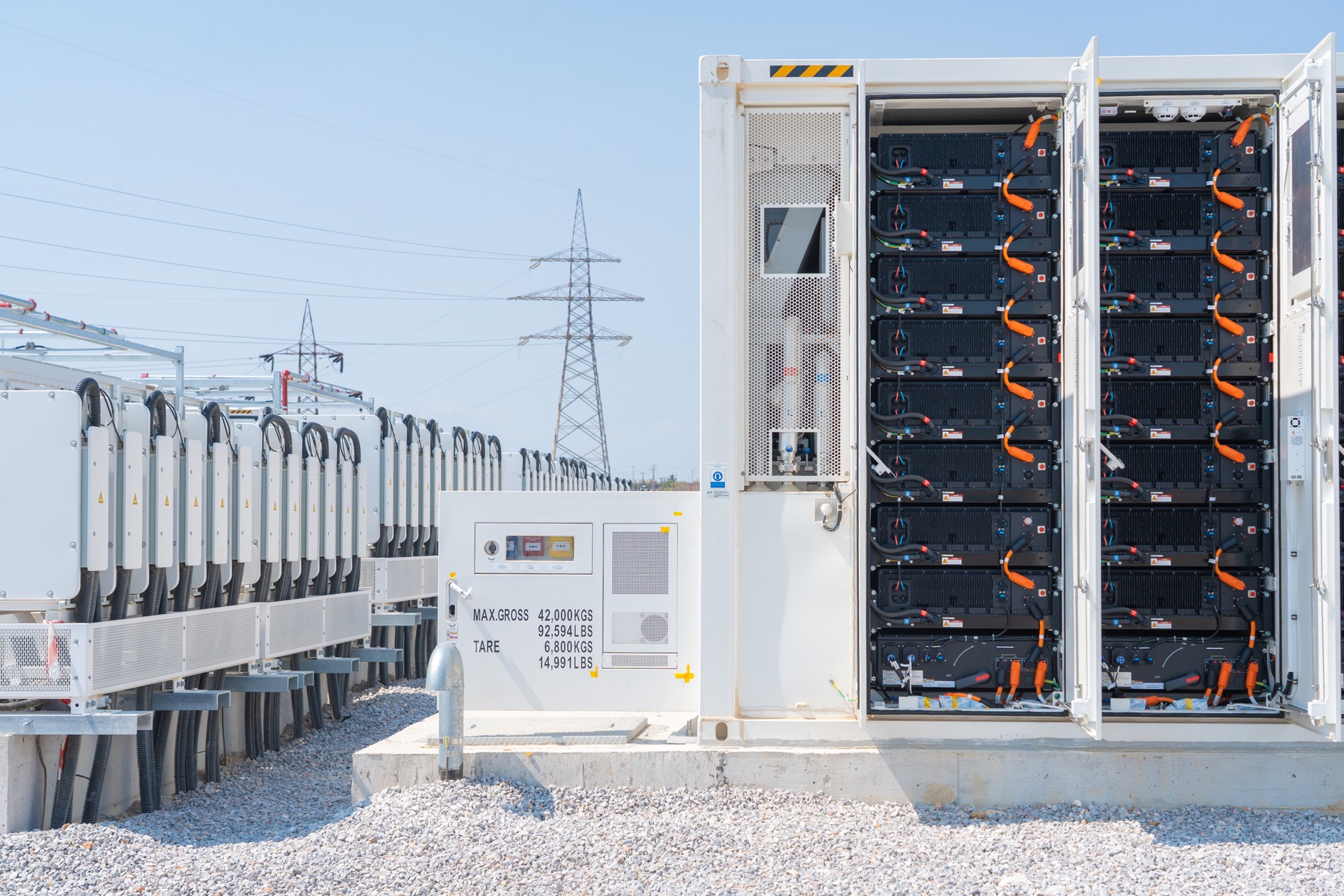
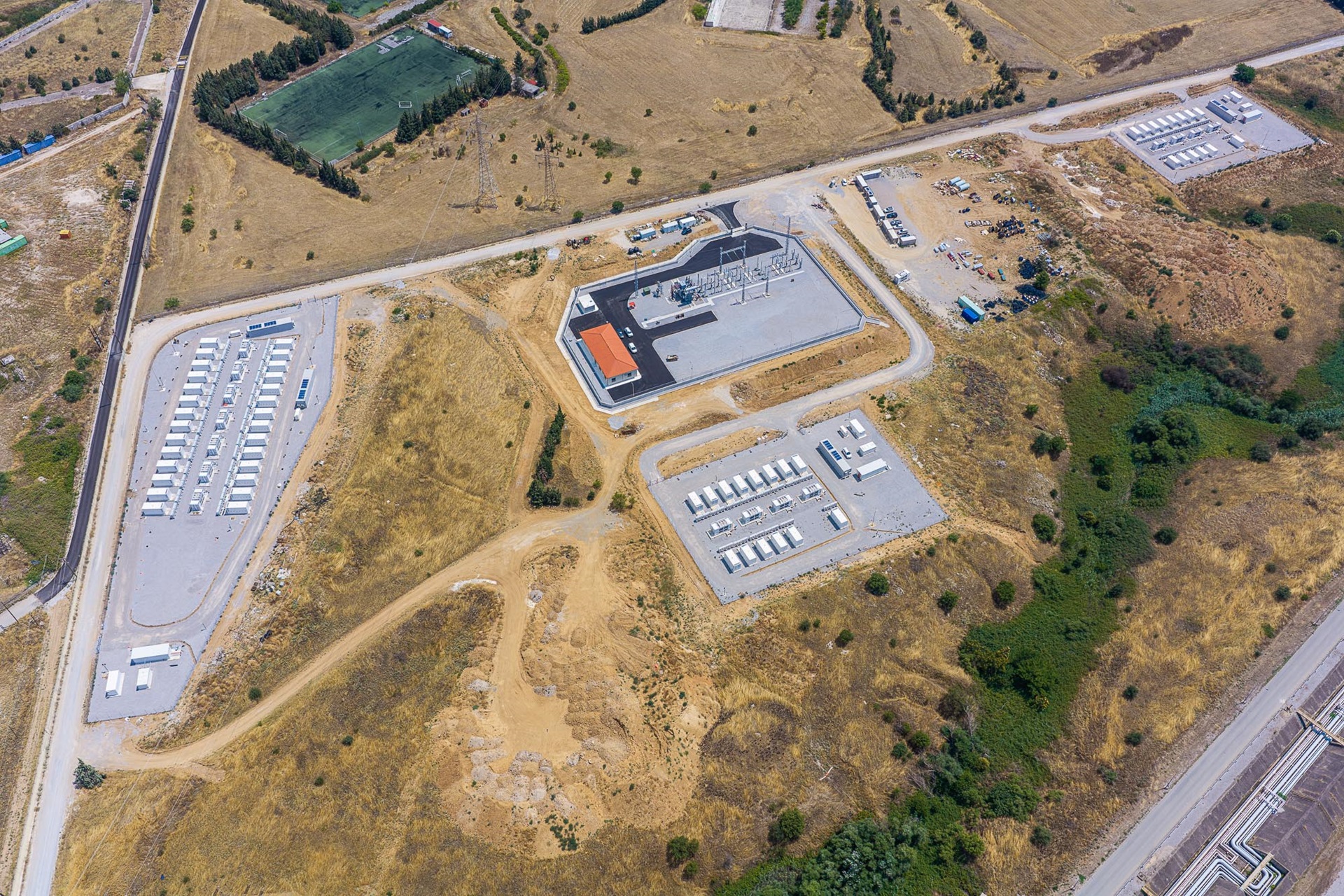
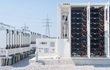
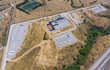
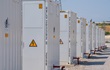
The system enables the storage of over 200 MWh of electricity, an amount equivalent to fully charging approximately 3,000 electric vehicles. By storing surplus energy generated from renewable sources and discharging it during periods of high demand, the project contributes to the more efficient use of green energy and reduces curtailment of renewable energy generation. Spanning an area of approximately 100,000 square meters, the system comprises three storage stations with a total power output of 100 MW and a capacity of 200 MWh. The batteries utilize lithium-iron-phosphate (LFP) technology with a liquid cooling system, and the project is connected to the electricity transmission grid via a new 33/150 kV transformer substation and an underground high-voltage line approximately five kilometers long. Approximately 100 direct jobs were created during construction, providing an additional boost to the local economy.
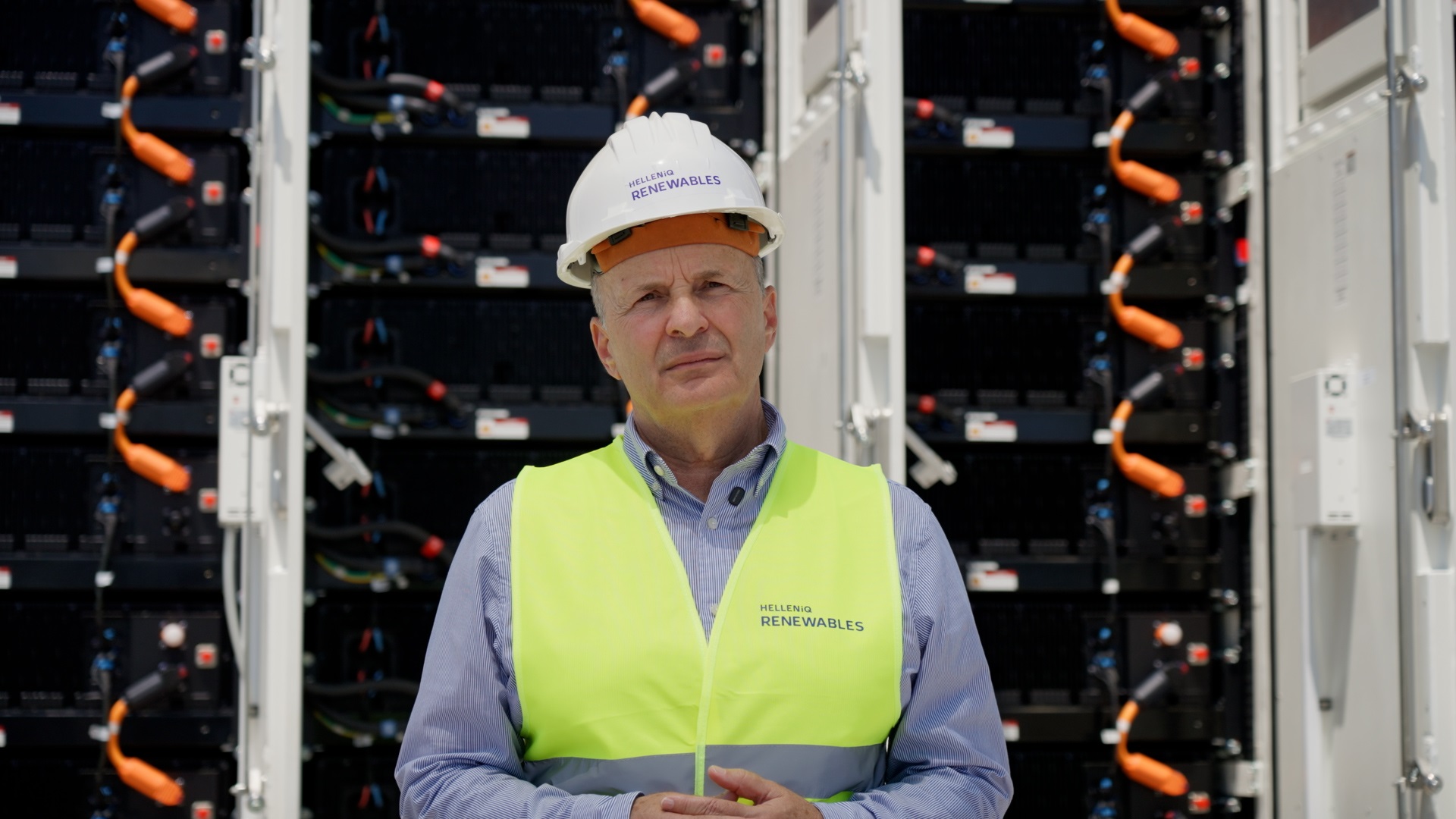
"Electricity storage is a key component of the energy system of the future. Batteries provide the flexibility to integrate larger amounts of energy from renewable sources, enhance the reliability of the power system, and create conditions for cleaner and more affordable energy for consumers," stated Sotiris Kapellos, CEO of HELLENiQ Renewables, the HELLENiQ ENERGY Group company responsible for developing renewable energy projects.
The project was selected under the first public call by the Greek Regulatory Authority for Waste, Energy and Water (RAAEY) to support energy storage systems. Its implementation is part of the "Greece 2.0" national plan, funded by the European Union through the NextGenerationEU instrument.
"Green energy storage represents key infrastructure, as it enables more efficient use of energy generated from renewable sources, strengthens the reliability of the power system, and creates conditions for greater energy security and access to sustainable and affordable energy for all," said Gеоrge Alexopoulos, Deputy CEO of HELLENiQ ENERGY.
HELLENiQ ENERGY continues to expand its portfolio of renewable energy and storage projects, which exceeds 6 GW across various stages of development. More than 1 GW of this portfolio consists of energy storage projects in Greece, Romania, Cyprus, and Bulgaria. Construction is also underway on a second storage project in Florina, featuring a power output of 50 MW and a capacity of 200 MWh. The Group’s strategic goal is to reach 1.5 GW of operational renewable energy capacity by 2028 and over 2 GW by 2030, through a balanced portfolio of solar and wind power plants and storage systems.
In line with global energy trends and HELLENiQ ENERGY’s commitments, OKTA, as part of the Group, has also invested in a battery storage system integrated with the company’s 12 MW photovoltaic plant. This creates a modern energy system where solar-generated electricity is produced and stored, allowing it to be utilized during periods of peak demand and optimal economic viability. The first two battery containers have a total power output of 4 MW, and following the planned activation of the third container, the system is expected to reach a storage capacity of approximately 6 MWh and an output power of around 3 MW. On an annual basis, the system is expected to store approximately 2,100 MWh of electricity.